
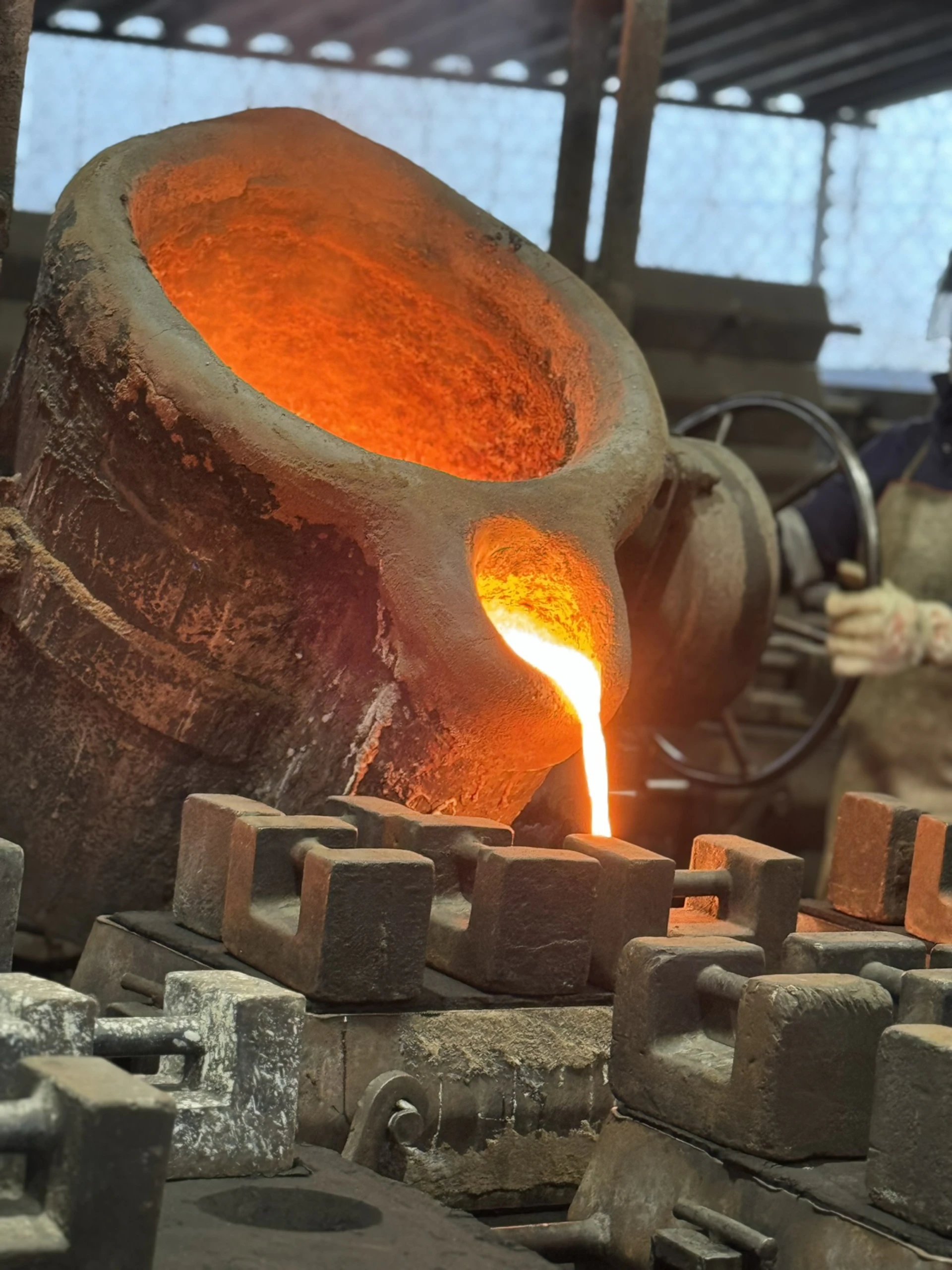
Refinery of gold as a central market item
A crucial link exists between the mine and the final investor: the gold refinery. That's where the metal extracted - usually as a golden bar - becomes commercial purified inlays suitable for the international market. The quality and reputation of a refinery determine whether their ingots will be accepted by banks, vaults and bags from around the world.
Not all refineries have equal consideration. The market clearly distinguishes between refined metal under recognised standards and metal without accreditation. Two acronyms concentrate much of that confidence: LBMA and DMCC.
What are the golden bars
The starting point of the Refiner is usually the golden bar: a semi-refined alloy of gold and silver - sometimes with other metals - produced directly at mining. Its gold content is variable and should be determined by analysis (assay) before setting the operation value.
Doré isn't a negotiable product in ingots markets: it requires passing through a gold refinery that separates it, tunes it up to the required purity and lays it into standard ingots. That transformation was also the time at which metal traceability was documented, an essential prerequisite for its subsequent acceptance.
The LBMA good delivery standard
The London Bullion Market Association (LBMA) lays down the global reference standard for physical gold: Good Delivery. That a gold refiner will be listed as LBMA Good Delivery means that its ingots are accepted without additional contrast on the international wholesale market.
What LBMA accreditation requires
- Technical and proven operational solvency: production history and verifiable quality controls.
- Ingot Specifications: weight, dimensions, marking and law complying with good delivery requirements.
- Responsible provisionDue diligence policies about the provenance of metal, in line with international demand against money laundering and conflict gold.
- Ongoing monitoringThe list remains unchanged and regularly reviewed.
For the metal owner, the practical result is direct: an ingot from an accredited refinery retains immediate liquidity at any place.
Dubai Good Delivery: The DMCC Standard
Dubai has been established as a leading global centre of trade and gold refining. Dubai Multi Commodities Centre (DMCC) manages the standard Dubai Good Delivery (DGD), attesting to refineries with ingots accepted at dubiti square.
The DGD criteria combine technical requirements with compliance and monitoring of the supply chain, in line with international standards of responsible supply. For those who operate metal flows to or from the Middle East, Asia and Africa, work with a refinery recognised by DMCC greatly facilitates marketing.
The role of IABX in India
The India International Bullion Exchange (IIBX) is an international trading platform for precious metals at GIFT City, India. Its relevance was growing: India was one of the world's largest consumers of gold and IABX established the framework by which refineries and vendors could channel metal to that market with verified standards.
For an exporter, his metal come from a refinery that's aligned with IIBX's requirements and opens the door to Indian demand under ordered conditions.
Retirement and ingots: what the refined contributes
The purity - expressed as a million or carat - is the technical attribute that defines the value of the ingote. The investment market focuses on high-law inlays and refinery guarantees, through its tuning and testing processes, that each piece complies with the specification that declares its marking.
Besides purity, ingote incorporates elements that make it identifiable: refinery seal, serial number, weight and law. That set of guarantees is what makes refined gold a liquid asset.
The position of Nordea Ventures
Nordea Ventures S.L. integrates refined into a complete chain of purchase, sale, transport and refined gold and precious metal. The group operates a refinery in Dominican Republic and maintains an office at Dubai - Unit AU-06-I, Gold Tower, JLT - linked to ARBIT Commodities DMCC, an entity of the DMCC free zone.
That structure allows the group to:
- To be received from operations at source, including mining participation by the group in Bolivia.
- Apply KYC processes, traceability and external audits to each batch.
- To work under the standards LBMA, DMCC (Dubai Good Delivery) and IIBX India.
Between 2021 and 2024, the group has been managing 632 shipments with a commercial value of $357 million.
Conclusion
The fact that a gold refinery meets the LBMA and DMCC standards isn't a formal issue: it's a condition for the metal that it produces to run with confidence across international markets. The three pillars on which the liquidity of physical gold is built are verified puria, responsible origin and solid documentation.
If you have gold or gold that requires refinement and commercialization under international standards, contact Nordea Ventures: + 34 660 041 651 or Presidencia@grupomeralva.com.